Top videos
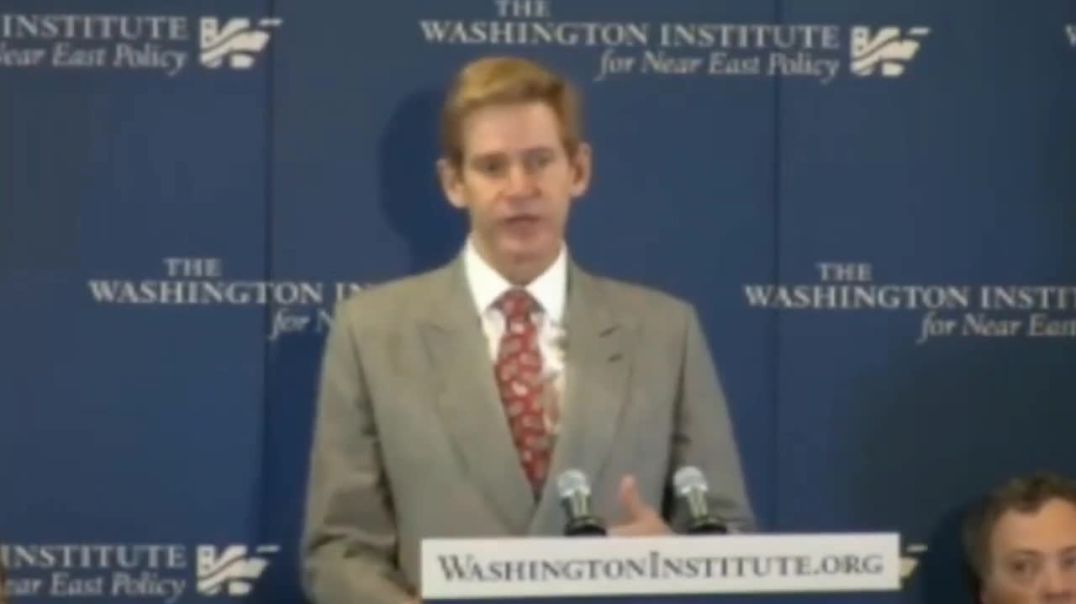
All Wars Begin With False Flags: Think Tank Lobbyist Patrick Clawson 2012 | Revelation of the Method
All Wars Begin With False Flags: Think Tank Lobbyist Patrick Clawson 2012 | Revelation of the Method
The Washington Institute for Near East Policy (WINEP or TWI) is an American think tank based in Washington, D.C. This forum was in regards to their September 2012 report titled "How to Build U.S.-Israeli Coordination on Preventing an Iranian Nuclear Breakout."
"The traditional way America gets to war is what would be best for US interests; So, if in fact, the Iranians aren't going to compromise it would be best if somebody else started the war."
“We are in the game of using covert means against the Iranians”
Patrick speaks of "crisis initiation" and alludes to many historic wars involving USA being started with this strategy. In other words, Mr. Clawson admitted all of America's wars have "traditionally" begun with false flag events.
This is more relevant today with what's going on in the Middle East than ever.
https://youtu.be/fsvDWZTVP3E?feature=shared

Live chat with Guru, Bosi and Brad from Canada

How I Made A YouTube Channel Using Only AI

In questo video, cito un episodio degli evangeli dove i protagonisti sono: Lazzaro, Marta e Maria. Buona visione.
https://www.facebook.com/profi....le.php?id=1000106486
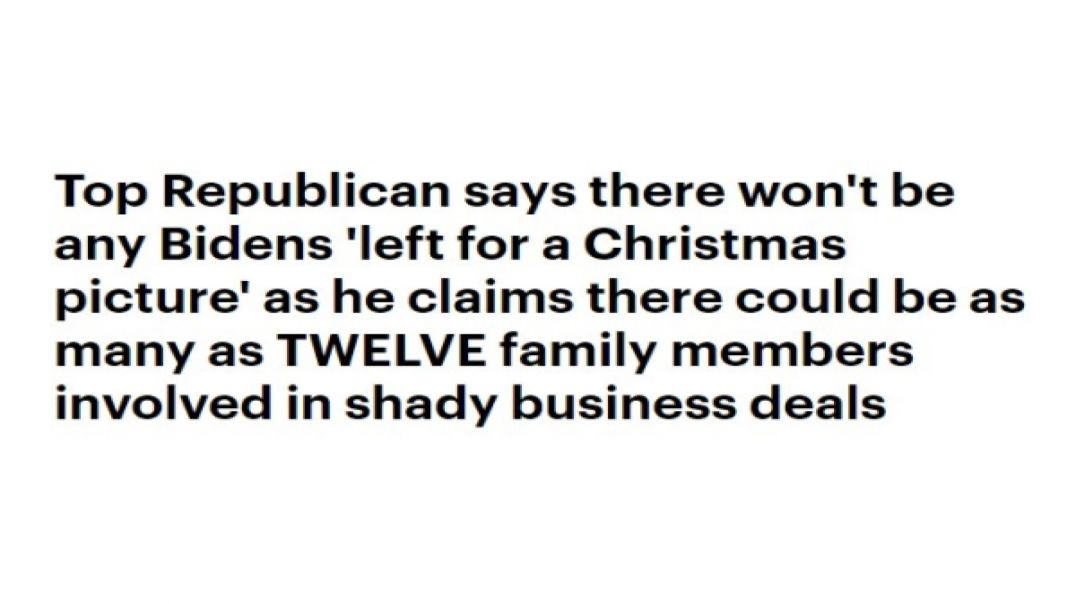
READ: Could be TWELVE Biden family members involved in shady deals
[READ] Katelyn Caralle
➖
https://www.dailymail.co.uk/ne....ws/article-12004863/
➖
🧿 RELAY BY 🧿
■ https://leo.truthparadigm.tv
■ https://leo.truthparadigm.news
#LawEnforcement #PublicSafety #Biden #LEO #Crimes
CLASSIC CARTOONS

➖ARTICLES TO READ➖
https://threads.truthparadigm.news
➖VIDEO CREDITS➖
https://videocredits.truthparadigm.tv
➖
Proverbs 12:17: He StewPeters speaks truth declares righteousness,
But a false witness, deceit
➖
🧿 RELAY BY 🧿
■ http://truthparadigm.news
■ https://shows.truthparadigm.tv
➖
💎TREASURE💎
■ https://tinyurl.com/IvermectinResources
■ https://cspoa.org
■ https://www.j6truth.org/
■ https://thepatriotlight.com/
■ https://www.devolution.link
■ https://covid19criticalcare.com
■ https://reawakeningseries.com
■ https://ministry.truthparadigm.tv
■ https://ministry.truthparadigm.news
■ http://truthparadigm.net
➖
#Pharma #myocarditis #FDA #CHD #Bible #PeterMcCullough #WHO #Covid #Vaccines #NEJM #VascularSystem #God #VaccineInjuries #VAERS #NaomiWolf #Truth #StewPeters #Covfefe #Freedom
![Dollar’s Destruction and Rollout of CBDC [ARTICLE LINK]](https://truthtube.video/upload/photos/2023/05/bev66jqVy8TQptM232vU_02_67bad73c117c01c8e77606596694dcfa_image.jpg)
🪙 READ LINK 🪙
https://www.activistpost.com/2....023/04/dollars-destr
Dollar’s Destruction and Rollout of CBDC
Activist Post
🔎 LEARN, READ, WATCH MORE 🔍
■ https://digitalcurrency.truthparadigm.tv
Artist we like that does custom, one-of-a-kind drawings: https://allinthedetails.art
#DigitalCurrency #DigitalMoney #CBDC #15MinuteCities #CentralBank #Crypto #MonetaryPolicy #TheFed #Banks #Banking #Monetary #BlockChain #Money #WEF #NWO #TreasureMap #Keystone #Leapfrog #WWG1WGA #SocialCredit #Prophecy
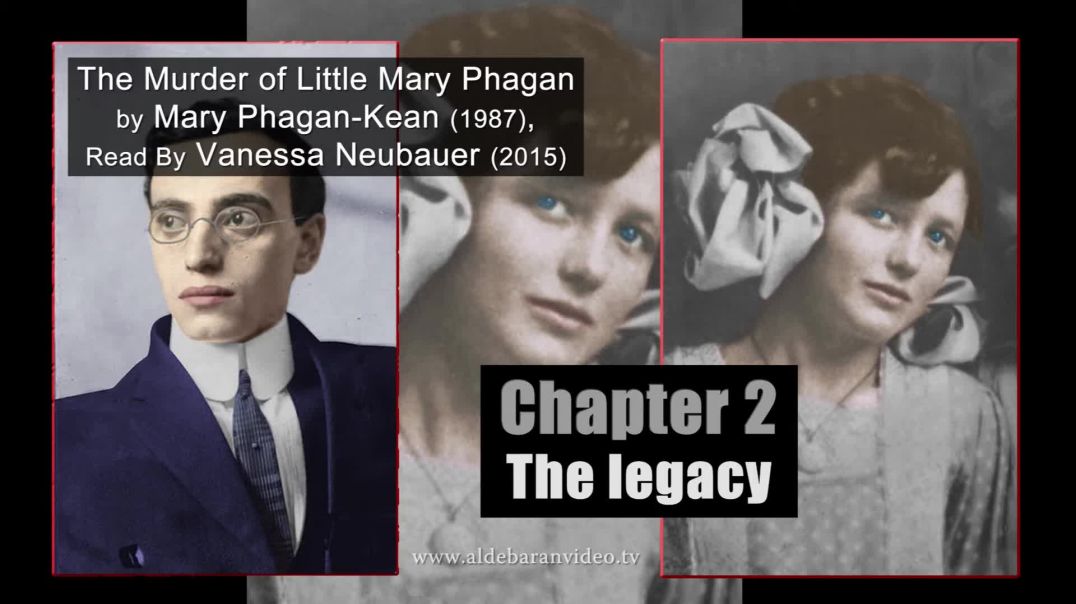
The most important details in this chapter are that the narrator is Mary Phagan-Kean, a great niece of William Jackson Phagan and Angelina O'Shields Phagan. At age 15, the narrator is certain of one thing their life will be shaped by their relationship to little Mary Phagan. They go to Atlanta's archives to discover more about the family, including the trial of Leo Frank and the lynching. The narrator's great great grandparents, William Jackson Phagan and Angelina O'Shields Phagan, made their home in Akworth, Georgia, and their children included William Joshua Haney McMillan, Charles Joseph Ruben Egbert, john Marshall, george Nelson, lizzie Marietta, john Harvell, maddie Louise, billy Arthur and Dora Roth. The eldest son, William Joshua, loves the land and farmed with his father, and on December 20, 791, he married Fanny Benton.
The Reverend J. D. Fuller presided over the Holy Bands of Matrimony for William and Fanny Joshua in Cobb County, Georgia. William and Fanny became successful farmers and moved to Florence, Alabama in 1895. In February of 1899, William Joshua Phagan died of measles and Fanny was left with their four young children. On June 1, Mary Anne Phagan was born to Fanny in Florence, Alabama. Fanny moved her family back home to Georgia where she planned to live with her widowed mother, Mrs. Nanny Benton, and her brother, Rel Benton.
Fanny figured there would be more opportunities in a densely populated area. Southern society was changing rapidly and the younger generation did not know the high feelings of the War between the States and the Reconstruction. WJ Phagan moved his family back to Georgia after the death of his eldest son in 1907. He purchased a log home and land on Powder Springs Road in Marietta and provided Fanny with a home for her and her five children to live in. After 1910, Fannie and four of her five children moved to East Point, Atlanta, Georgia, where she started a boarding house and the children found jobs in the mill.
Charlie Joseph, the middle child, decided to continue farming and moved in with his Uncle Ruben on Powder Springs Road in Marietta. Mary found work at the National Pencil Company in Atlanta. The Phagan family remained close with relatives in Marietta, where they played games such as hide and seek, hopscotch, dolls and house. Mary's favorite game was house, where the girls would clear a clean spot in the shade, place rocks in it for chairs, and decorate the inside of the house using limbs from trees or other big branches already on the ground.
The most important aspect are the stories of Fanny and her children. Fanny married J. W. Coleman, a cabinet maker, and they moved to JW's house at 146 Lindsay Street in Atlanta, near Bellwood, a white working class neighborhood. After marrying, Fanny requested that Mary quit work at the pencil company and continue her education, but Mary liked her work at the factory and didn't want to quit. Benjamin Franklin joined the Navy, Ollie became a sales lady for Rich's department store, and William Joshua, Jr. continued to work in the mills.
The most important details in this audiobook are the conditions of life in Atlanta in 1913. There were no paved roads in Marietta and Cobb County, including the square in Marietta, and people used wagons and carriages to travel the 25 miles to Atlanta. Telephone service had come in 25 years earlier, and water and electric had only been available for five years. Cobb was considered an agricultural county and had practically no industries. Justice, law and order were also vastly different. After the War Between the States, night riders and lynchings led to night riders and lynchings. Atlanta in 1913 still hadn't reached a half million in population, but it had grown significantly since 1865.
There was light industry, including the National Pencil Company at 37 39 Foresight Street, and mills were the most numerous and a few breweries. Life in 1913 was casual and slow, and people got most of their news from local newspapers. Sanitary conditions were terrible, and sanitation workers were called honey dippers. Typhoid fever was all over the place, and boys wore knee pants until they completed grammar school. The South had not recovered from the ravages of the War Between the States and Georgia, and the economy was shifting from the land to industry.
Mary Phagan was a beautiful little girl with a fair complexion, blue eyes and dimples. She was Grandmother Fanny's youngest child and had a bubbly personality and was the life of their home. She was juvial, happy and thoughtful towards others. The last Vegan family gathering was a welcome home for Uncle Charlie, and Mary's cousin Lily envied her a particular dress she had on. Early in April, Mary was rehearsing for a play she was in at the First Christian Church.
Mary was a member of the Adrial class of the first Christian Bible school and wanted to look her best for the contest given by the school. On Confederate Memorial Day, she planned to go up to the National Pencil Company to pick up her pay and then watch the parade. She was excited about the holiday and wore her special lavender dress, lace trimmed, which her Aunt Lizzie had made for her. She wore a corset with hose supporters, corset, cover, knit underwear, an undershirt drawers, a pair of silk garters and a pair of hose. She wore a pair of low heeled shoes and carried a silver mesh bag made of German silver, a handkerchief and a new parasol.
When Mary had not returned home at dusk, her great grandmother began to worry and her husband went downtown to search for her. He thought perhaps she had used her pay to see the show at the Bijou Theater, but found no sign of her. He returned home and suggested that Mary must have gone to Marietta to visit her grandfather, W. J.
Mary had been found murdered in the basement of the National Pencil Company, a four story granite building plus basement, located at 37 39 Forsyth Street. Her body was discovered at 03:00 in the morning on April 27, with her left eye struck with a fist, an inch and a half gash in the back of the head, and strangled by a cord embedded in her neck. Her undergarments were torn and bloody, and her body had been dragged across the basement floor. There were fragments of soot, ashes and pencil shavings on the body, and drag marks leading from the elevator shaft. There were no skin fragments or blood under her fingernails which indicated she hadn't inflicted any harm on whoever did it. Two scribbled notes were found near her body, on company carbon paper.
Ther was a photostatic copy of two nearly illiterate notes written by a long, tall black Negro. The notes were written while the child was playing with him and he promised to love her and land dune play like Night Witch did. The father sat silently while the child read the notes and when they went up to tell William Jackson Phagan, the father remembered it word for word. The living God will see to it that the brute is found and punished according to his sin. The father hopes that the murderer will be dealt with as he dealt with the innocent child and that he suffers anguish and remorse in the same measure as she suffered pain and shame.
The funeral service of Little Mary Phagan, the innocent young victim, was one of Atlanta's blackest and most beastial crimes. The pallbearers carried the casket into the Second Baptist Church, a tiny country church, where every seat had been taken and hundreds were standing outside to hear the sermon. Mary Phagan cried and her soul was as pure and as white as her body, and the whole church wept. Before the completion of the hymn, the Reverend T-T-G called for divine justice.
Mary Phagan was the innocent young victim of one of Atlanta's blackest and most beastial crimes. Her body was carried into the Second Baptist Church, a tiny country church, where hundreds were standing outside to hear the sermon. The choir sang Rock of Ages, but Grandmother Fanny cried as if her heart would break. The Reverend T-T-G. Lincus, pastor of Christian Church at East Point, prayed with those at the Second Baptist Church. The speaker thanked God for teaching Mary to fear God and love Him, and prayed for the police and detectives of the city of Atlanta to perform their duty and bring the wretch that committed the act to justice.
They also prayed for the authorities to apprehend the guilty party or parties and punish them to the full extent of the law. The speaker believed in the law of forgiveness, yet did not see how it could be applied in this case. The most important details in this text are the words of Dr. Lincus to the family of Mary Phagan Coleman, who was killed by a heartless wretch. Dr. Lincus warns the family not to watch their children too closely, as Mary's purity and the hope of the world above the sky is the only consolation they can offer. After the funeral service, the crowd viewed the body of Mary with a mutilated and bruised face.
Dr. Lincus helped Mary's sister Ollie and her brother Ben, now a sailor on the United States ship Franklin, while the smaller brothers, Charlie and Joshua, brought up the rear. The funeral service went on, with the words "Earth to earth, ashes to ashes, dust to dust." However, no words expressed by Dr. Lincus could heal the wounds in their hearts. As the first shovel of earth was thrown down into the grave, Fanny Phagan Coleman broke down completely and wailed. Mary was taken away when the spring was coming. She loved the spring and played with it.
She took the preacher's handkerchief and walked to the edge of the grave and waved it. Her father stopped and asked her questions about the trial of Leo Frank and its aftermath. She felt guilty for the upset and the memories he drew up on her behalf had already caused him. He blinked back the tears and his smile was tremulous. A few days later, they sat down again and Mary asked her questions about how Grandmother Fanny stood up while the trial was going on.
Mary Phagan was last seen alive on the 26 April 1913, about a quarter to twelve, at home at 146 Lindsay Street. She was fair, complexed, heavyset, very pretty and was extra large for her age. When Sergeant Dobbs described the condition of Mary's body when they found her in the basement, he stated that she had been dragged across the floor, face down, that was full of coal cinders and this caused the punctures and holes in her face. Grandmother Fanny had to leave the courtroom, and now it was Mary's mother who had to compose herself.
The most important details in this text are that the funeral director WH. Geesling testified that he moved little Mary's body at 04:00 in the morning on April 27, 1913. He stated that the cord she had been strangled with was still around her neck and there was an impression of about an 8th of an inch on the neck and her tongue stuck an inch and a quarter out of her mouth. Leo Frank's religious faith had nothing to do with his trial, and his religious faith had nothing to do with his religious faith. The courtroom atmosphere was strict and Judge Leonard Rohn maintained strict discipline.
The newspapers gave a daily detailed report on the court proceedings and there were many extras printed each day. Judge Rohn was considered by all to be more than fair and the Atlanta Bar held him in high esteem for his ability in criminal law. Leo Frank's lawyers were the best money could buy. The most important details in this text are that Leo Frank was a Northerner and a capitalist, who had two of the best criminal lawyers in the south, Luther Rosser and Ruben Arnold. His defense was not good enough to offset Hugh Dorsey's tactics, and he was later rewarded with the biggest prize in state politics.
Leo Frank was born in Texas, but moved to Brooklyn, New York and was a graduate of Cornell University. He was a capitalist, but it meant a lifestyle that few people could maintain and bred resentment. His father explained that sexual perversion was something society did not accept as normal today, and that anyone who dared to make that charge had better have been prepared to die for it. Governor Slayton commuted Leo Frank's sentence, and the family still asks why he did so. The family does not accept Governor Slayton's explanation in his order, but he did just that with the commutation order.
The most important details in this text are that Governor Slayton was a member of the law firm that defended Leo Frank, and that the Vigilante group traveled by car model T Ford's and removed Frank from prison. They called themselves the Knights of Mary Phagan and this group later became the impetus for the modern Ku Klux Klan. The Vigilante group traveled by car model T Ford's and removed Frank from prison, but they stopped in a grove not far from where Little Mary was buried. They carried out his original sentence to be hung by the neck until dead, but not one man was charged with the death of Leo Frank and not one man was ever brought to trial.
The most important details in this text are related to the lynching of Little Mary Phagan in 1915. Jim Conley's testimony helped to convict Leo Frank for the murder of Little Mary Phagan, and circumstantial evidence and Jim Conley's testimony caused Leo Frank's conviction for the murder of Little Mary Phagan. Jim's grandfather told him that he had met with Jim Conley in 1934 to discuss the trial and the part Conley had played in helping Leo Frank dispose of the body of Little Mary. Jim said that he watched for Mr. Frank like before and then he stomped and whistled, which meant for him to unlock the door. He then went up the steps and Mr. Frank looked funny and told him that he wanted to be with the little girl, but she refused, and he struck her and she fell.
When Jim saw her, she was dead. Jim Conley, a black man, was asked by his grandfather why he helped Mr. Frank because he was white and his boss. Jim answered that he was afraid if he didn't do what he was told that he might get hanged, as it was common for blacks to be hanged. After seeing that Little Mary was dead, Jim Conley helped Mr. Frank by rolling her in a cloth and putting her on his shoulder. He then went to the elevator to the basement and rolled her out on the floor.
Then Mr. Frank went up the ladder, and Jim went on the elevator. The story ends with Jim Conley asking his grandfather if he had told him to burn Little Mary in the furnace. Jim Conley was a black man in Atlanta in 1913 who could read and write, but more importantly, he was not simple. He was a man who would do what any man would do to stay alive, mixing the truth with lies self-consciously knowing that his life was at stake. His father shook his head and gave four different affidavits, telling the story of a man who knew he was walking on a red hot bed of cinders and knew that no matter which way he turned, he would be burned.
The story highlights the importance of understanding and respecting differences between people of different backgrounds. Jim Conley returned to the pencil factory with the Atlanta detectives and showed them how he had found the body of Little Mary in the metal room. He then rolled the body out on the floor and Leo Frank went up the ladder to be on alert for anyone coming into the factory. He then explained why Little Mary was dragged face down across the basement. Jim Conley did know what he was doing, but there were two factors that outweighed his sense of righteousness: fear of the white man and greed for money. This is what he later told his father when they met.
The Phagan family has taken a vow of silence due to Grandmother Fanny's request that everyone not talk to the newspapers. The author's father had asked his father over 20 years ago why the family had taken a vow of silence due to the shadow of Little Mary Phagan and how her legacy had affected his life. One summer morning, the author's father sat down beside him wanting to talk about his grandmother, Little Mary's mother. The author recalls many times waking up in Grandmother Fanny's bed trying to figure out how he got there beside her. Grandfather Coleman had a small country store with a gas pump, and the author was allowed to have anything that he wanted in the treasure house.
Grandfather Coleman was always there to guide the author and help them in making their choice. Over 50 years have passed, but those days are vivid to the author now as they were then. Grandmother Fanny was a very special person to the author. The most important details in this text are that the narrator's grandmother, Fanny, died in 1937. The narrator's mother opened a hamburger, hot dog and sandwich stand on the corner of Hunter and Butler Street, which was only a half of a block from the Big Rock Jail.
The narrator's father worked in the cotton mills as a weaver, and his mother opened a hamburger, hot dog and sandwich stand on the corner of Hunter and Butler Street. The narrator's mother opened a hamburger, hot dog and sandwich stand on the corner of Hunter and Butler Street, which was only a half of a block from the Big Rock Jail. The narrator's father worked in the cotton mills as a weaver, and his mother opened a hamburger, hot dog and sandwich stand on the corner of Hunter and Butler Street, which was only a half of a block from the Big Rock Jail. The narrator's mother opened a hamburger, hot dog and sandwich stand on the corner of Hunter and Butler Street, which was only The most important details in this text are that Little Mary was the youngest of five and was doted on by all, even her grandfather, W. J. Grandmother Fanny would describe to the narrator how she would comb Little Mary's hair and put it up in pigtails, and dress her up in her finest clothes to go to church.
Little Mary was beautiful to her parents, and she was going to be a real beauty when she grew up. The narrator's father looked at the narrator intently, as if they had seen it all before. The narrator's father, William Joshua Phagan, Jr., was known to the family as Little Josh and was a good student. By the time the narrator was eleven, they began to ask questions about their aunt, Little Mary. Little Mary had a lively imagination and wanted all the things that any young girl wanted in those days, such as ribbons or a special comb for her hair.
By the time the narrator was eleven, they began to ask questions about their father, William Joshua Phagan, Jr., who was known to the family as Little Josh. The narrator's father broke into a grin and no one ever accused the Phagans of being too tall. The narrator's father, William Joshua Phagan, Jr., was known to the family as Little Josh and was a good student.
Ollie and Little Mary were only one year apart, and Ollie felt a lot of pride about being the older brother to a sister to whom he was a shining white knight. Grandmother Fanny had everyone put on their best clothes for church on Sundays, and everyone had a hand in helping Little Mary to dress up. When the Phagan family got together, it was like a picnic with all the food and stuff that was on hand to eat. Ollie's father broke into his thoughts before the first day, and everyone would turn to the subject of Little Mary. Grandmother Fanny often told them about the death of her husband, William Joshua Phagan, who had fathered her five children, and then she would talk about J.W. Coleman, whom she married in 1912. This was the man Ollie was to know as his grandfather. The Phagan family lived in the Bellwood subdivision of the Exposition Cotton Mill area, where Little Mary had left home to go to town for her wages and to see the parade. Grandmother would tell her story about the Saturday Confederate Memorial Day when Little Mary left home to go to town for her wages and to see the parade. After the war, Great Uncle Ben was in the Navy and the Phagan family began to drift apart.
People were starting to work as many as six days a week and family gathering was to become a thing of the past. However, the family still spoke about Little Mary and the narrator felt for the first time in their life that they had lost someone that was very real to them. However, there was less time for storytelling and the narrator's curiosity increased since people would still ask questions about Little Mary and there was still Fanny. The most important details in this text are that the narrator's grandmother told them stories about Little Mary Phagan and the hope she had for her. In 1943, when the narrator started junior high school, they were asked if they were kin to Little Mary Phagan.
One kid brought a record with The Ballad of Mary Phagan on it, which Fiddling John Carson had written and recorded. This was the first time the narrator had heard the song on a record. The narrator's grandmother was right about how pretty she was and the hope she had for her. Even today, when the narrator looks at Little Mary's picture, they can see that she would have grown into the beautiful woman that their grandmother expected her to be. The narrator's family had an RCA radio and record player, which they held onto for years until it was lost.
During the war, women had to work in the plants and shipyards, and the narrator's mother went to work at the Bell Bomb plant in Marietta, Georgia. The narrator's sister Annabelle and mother went to work in the shipyards in Portland, Oregon and Marietta, Georgia, and the narrator's mother went to work at the Bell Bomb plant in Marietta, Georgia. The narrator joined the Navy in July 1945 and was sent to boot camp in San Diego, California. By then, books had been written and movies had been made of Little Mary's murder.
Death in the Deep South, a fictional book about the murder and its aftermath, was made into a movie called They Don't Forget. Lena Turner played the part of Little Mary, but the names were changed and the Phagan family remained silent. The narrator was invited to play golf with a group of civilian and naval personnel and was asked questions about Little Mary. Later, when his shipmates on the USS Major De 796 began to ask him questions about Little Mary, the narrator became a storehouse of information on the subject. When the narrator met his mother in Chicago in 1952, it was love at first sight.
He went out of his way to meet all the civilian flight line mechanics at Warner Robbins Air Force Base in Macon. Little Mary had slipped to the back of the narrator's mind over the years. When the flight line mechanics learned the author's name, they began to question the author about Little Mary Phagan. This renewed interest in Little Mary was to play a major role in the life of another little girl who would be born in June of 1954. When the author arrived back at Larson Air Force Base, they were informed that they had been selected to attend flight engineer school at Chanute Air Force Base in Rantoul, Illinois.
This break allowed them to learn more about each other and how they would spend the years to come. When the author was transferred back to the past again, the question was asked again about the author's name by other student flight engineers. The author had not told their mother the story of Little Mary, and was transferred back to the past again. The 62nd Military Airlift Wing was redesignated the 62nd Military Airlift Wing on January 8, 1956. It was under a new command, the Military Air Transport Service, which was the best and biggest airlift armada in the world.
Mats, the backbone of deterrence, was the motto and creed of the 62nd Military Airlift Wing, which was flying all over the world in all kinds of trouble spots where there was dire need for airlift. The 62nd Military Airlift Wing had accumulated over 2000 hours of flying in Alaska and was considered to be a cold weather expert. They were now under a new command, the Military Air Transport Service, which was the best and biggest airlift armada in the world. They were flying all over the world in all kinds of trouble spots where there was dire need for airlift. The narrator finds that their name rang bells with those familiar with Little Mary Pagan.
They were assigned to the 16 Eight Military Air Transport Wing in Charleston, South Carolina in January 1959. When they arrived, they were assigned to the 17th Air Transport squadron. When they signed their daughter up for kindergarten, people would sing The Ballad of Mary Phagan and tell them stories that they had never heard before. The narrator's brother Michael was born in September 1959 in Charleston. They all went to Japan and Hawaii and returned to the continental US in 1964.
Mr. Henry, the 8th grade teacher, asked Mary if she was related to Little Mary Phagan. Mary nodded, unable to speak, but her father encouraged her to research and investigate the facts for herself. He told her that the trial record spoke for itself and that for her own peace of mind she would have to interpret the facts herself. Mary's determination to learn all she could about her great aunt intensified, while her aspirations as to a future career became both evident and important to her. These Unanswered Questions remained with her throughout her high school years, while her resolve to learn all she could about her great aunt intensified and her aspirations as to a future career became both evident and important.
The most important details in this text are that the speaker wanted to teach blind and visually impaired children, and their senior year was particularly gratifying. They were allowed to leave campus for joint enrollment at a college or for employment, and their counselor, Mrs. Drury, had discovered that McLendon Elementary School, not far from the high school campus, would love to have them as a volunteer. The speaker was the first recipient of the Youth Achievement award from the De CALB County Rotary clubs, and was accepted at Flagler College in St. Augustine, Florida. At that moment, the speaker hoped that the story of little Mary Phagan would be left behind, but their subconscious was still busy with the Unanswered Questions.
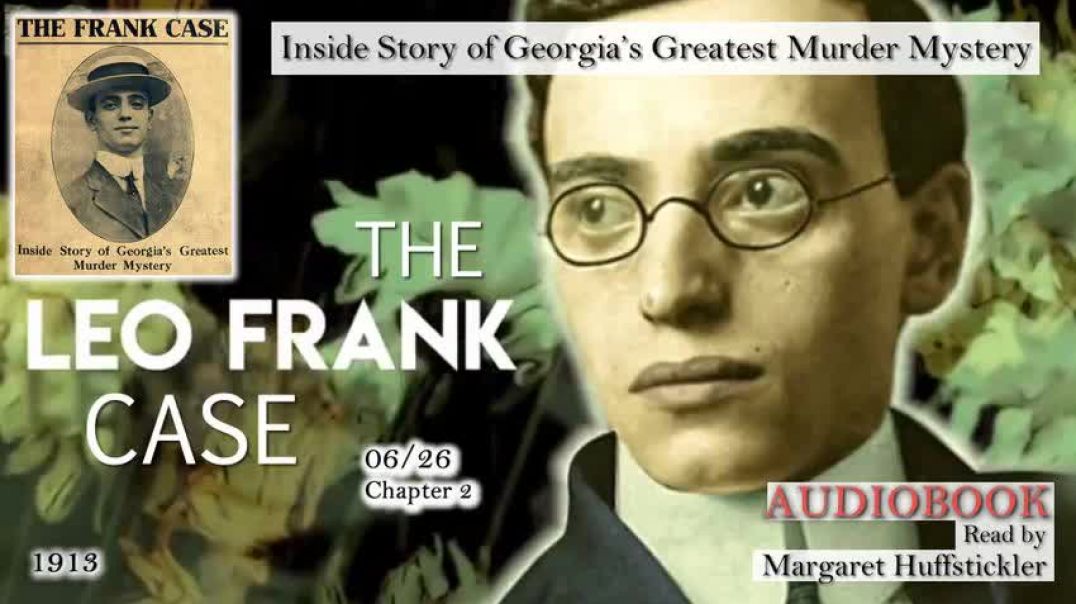
Three men from the Atlanta Police Department were released from the night shift just as Newt Lee told them it was time to leave to patrol the factory building. They turned to Decatur Street and freed themselves from the crowd of happy-smiling Negroes that had swarmed them a few hours earlier. The police found Boots in Boots Roger's car while he was leaning back in his chair for the rest of the day. In a cell at the back of the ward, early that night, black sobs were heard by police officers charged with disorderly conduct. The sergeant growled and pushed him off his back, brandishing the key. When the phone rang, Boot's deputy Rogers opened his mouth and began presenting the Grace case. W.T. Constable Anderson wondered who was calling at this hour. Tired, he got up, went to the phone booth door, and opened it. An important detail in this document is that Officers Anderson, Rogers, Dobbs and Brown are all officers of the National Pencil Factory on Forsyth Street. When Officer Anderson rushed out of the phone booth with the message, the sleepy officers jumped up and jumped into the car, waking the sleeping reporters. As the car approached the corner of Prior and Decatur Streets, they saw two men standing on the corner. The car slowed down and the four men got out. Officer Anderson banged on the door with his fists clenched, and Newt Lee's frightened face turned to them. They fired at him and entered the factory's dark entrance, with Lee in front and Anderson right behind him. The men held hands clutching revolvers and marched in single file to the water. Newt Lee led her down a ladder, pointing anxiously at something in the corner. Officers crouched to stare at the badly mutilated corpse of a girl with her head forward and her legs slanted to the right rear corner. Her face was covered with bruises and black stains, indicating the extent of her injuries. Her hair was ragged, the blue ribbon that tied it was withered and dirty, her lavender silk dress was covered in blood, the thick cords cut deep into her flesh and the fabric torn from her dress. I saw a gag. Her petticoat was torn to shreds, her suspender belt was cut off on one side, and her white stockings themselves were hanging almost to her knees. Sergeant Brown cocked his head back and gasped, "Oh my God, just a kid." As Sergeant Dobbs was examining the basement floor, someone was holding his breath and scribbling a rude letter. I found two dirty yellow papers. The officers read out the notes, one reading, "I love the girl who lies like a witch in the night," and another reading, "Mom, the black people I hired here did that." was written. When I went to fetch water, he pushed me to the ground. "That hole. What woke it up was a long, tall, black black man, a long, slim, tall black man. I write as I play. What was it? Did the man who wrote these notes commit this hellish act? Anderson suddenly turned to the guard and placed a rough hand on his shoulder. "Negro, you did it," he said hoarsely. Moments later Anderson was handcuffed to his wrists, and Newt Lee arrested for murder.
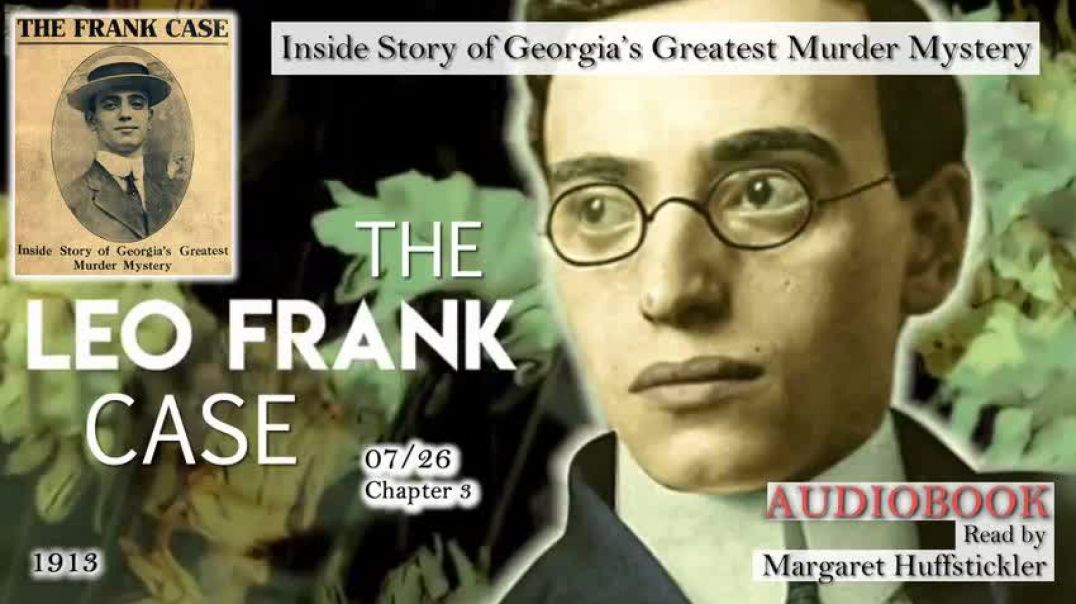
The text's most important detail is the events leading up to the murder of Frank View, a small factory girl. Newt Lee was arrested, taken to the police station, and the dead child was identified. Rogers and Starnes called the caretaker, Frank, and asked him to bring his coat and come with him. On the way, Black asked Frank if he knew a girl named Mary Phagan, and the factory manager said he would check the factory payslips. On their way to the factory, the three stop at a funeral home to see the body of Mary Phagan. Asked if he knew Mary Phagan, Frank replied that he would definitely know if he went to the factory. As the sun rose, a small group of men, including factory manager N.V. Darley, stood at the factory gates. Frank greeted the foreman and officers and they went to Frank's office. The superintendent opened the safe, took out a blank book, and found Mary Phagan.
Frank rubbed his hand and asked if he had found any trace of wage embezzlement at the factory. The inspector's next request was to investigate the place where the girl's body was found. Frank went to the switch box next to the elevator, flipped the switch on the machine, and turned on the machine. When we returned to the first floor, someone asked us to get off at the station building. Frank turns to Darley and says, "I think you should put a new bill in your watch." This is best described by Boots Rogers' narration. Frank said little about the murder of Mary Phagan, but said it was a shame.
When he discussed the watch's new label with Darley, the foreman agreed. Frank took the key out of his pocket, unlocked the right side, and took out the Timeslip. He checked the notes and said no problem. Mr. Lee was handcuffed and standing nearby, and Mr. Darley was also there. Frank found a pencil in one of the potholes and asked Lee why it was there.
The Negro, he said, put a pencil there so he wouldn't make a mistake by drilling the correct hole. Frank unlocked his watch and he penciled in "26." April 1913" is written at the end of the note. He then folded the note and took it with him to his internal office. Frank and the cops board Rogers' plane to the police station, where Frank sits on Darley's lap. At the police station, Frank fearfully jumps out of the car and runs into the jail cell, speaking quickly and carefully.
Frank told them about the visit from J.M. Gannt on Saturday morning at the factory, a young man who had just been laid off came back to pick up the shoes he had left behind in the factory that afternoon. Frank told detectives that Gantt knew Mary Phagan well, he told her.
CID searched for Gantt while Lee was in custody and detectives searched for several suspects. As the first day of the famous Mary agan affair draws to a close, crowds pour down Forsyth Street, contented to look at the building where the black murders took place. Police were constantly watching everyone entering and leaving the factory, and grief reigned in the little house in Bellwood, where Mary Phagan left happy on Saturday.
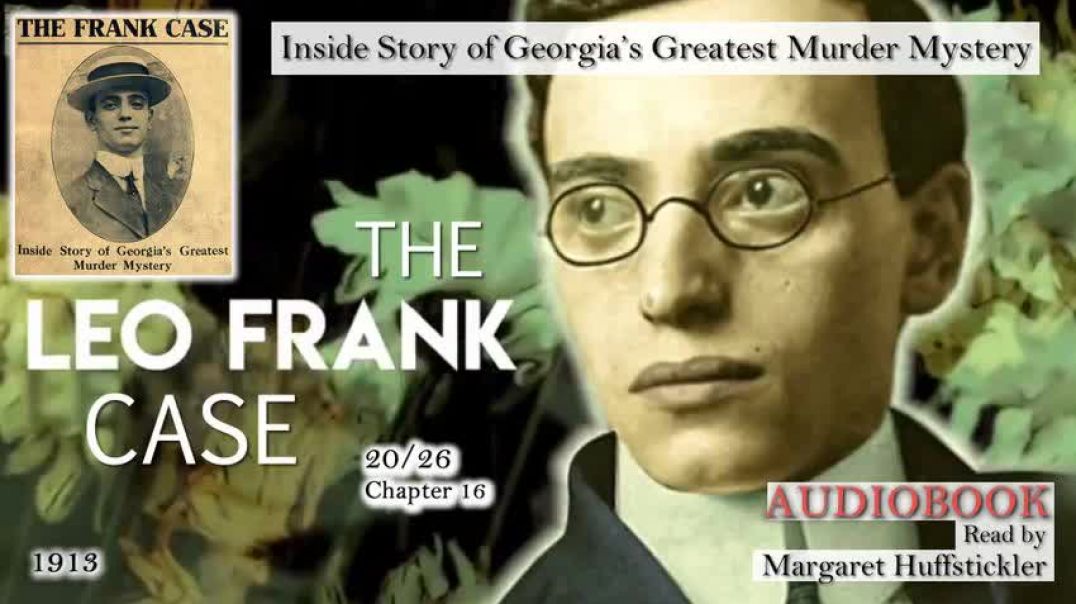
The second week of the trial began on Monday, August 4, with the introduction of James Conley, a black factory cleaner and the only witness directly linking Frank to the crime. The public waited anxiously for the Negroes to take their stand, and when it was announced that the Negroes would be interrogated that day, a large, never-before-seen crowd surrounded the courtroom. From the bench, Judge L.S. Roan told all the women present to leave. Mr. James Conley took the stand and told glibly how the dead girl's body was taken to the cellar under the direction of Superintendent Frank. He once caught Frank exhibiting a compromising attitude toward women in his factory office, monitored him at the front door of the building on Saturday afternoons and early on a public holiday, and on the 2nd, confirmed that Frank was with a woman. made sensational claims that they were on secret dates.
Witnesses said Friday afternoon that Frank had instructed them to return to the factory on Saturday morning. The most important detail in this document is Conley's conversation with Mr. Frank on Saturday morning. Conley tells how he went to the dry cleaners in the capital and met Frank on Nelson and Forsyth streets. Back at the factory, Dorsey asked if he could turn the knob on the front door so no one could enter. Back at the factory, Dorsey asked if he could turn the knob on the front door so no one could enter.
Back at the factory, Dorsey asked if he could turn the knob on the front door so no one could enter. Back at the factory, he is asked by Dorsey if he can turn the knob on the front door so no one can enter. The most important detail in the document is that the young woman, Mr. Frank, and the witness were talking about a young woman who wanted to borrow money. The witness pointed to his right shoulder and said, 'Don't let Dolly see me answering the lawyer's question.'
The Negroes said they saw Leme Quinn, Mary Phagan, and Monteen Stover enter the building in order of their names. After going upstairs, witnesses heard footsteps heading towards the office, then towards the metal room. The next thing he heard was her screaming. The state attorney general argued, but the witness heard no more. Who was the next person the witness saw going up the stairs? Miss Monteen Stover was wearing tennis shoes and a red coat. She stayed up for a while, but she came down again. Then Tiptus came out of the metal department and Tiptus ran back. The narrator then heard Mr. Frank stamping on them. The narrator got up and locked the door, then sat back on the box for a while. Finally I heard Mr. Frank's whistle. Just minutes after the stamp, the narrator heard him whistle.
An important detail in the audio recording is that Mr. Frank was standing at the top of the stairs, shaking, rubbing his hands together, and acting strangely. He had a little cord in his hand and his eyes were wide open and wild. Conley testified that Frank had returned to the medal room and that Mary Phagan had resisted his advances. Frank said there was a fight and the girl fell and injured herself. Conley said that Frank was aware that he was different from other men and interfered with the young Superintendent having a strange relationship with another girl. Direct questioning of Conley lasted less than two hours, and his cross-examination was perhaps the most notable feature of the trial. Luther Z. Rosser bombarded Negroes with questions to bring them down, but Negroes never lost their minds. James Conley's trial was a test of physical endurance. Attorney Arnold appeared to testify, but Mr Dorsey objected and Judge Roan ordered Rosser to continue the inquiry. Conley's testimony was transcribed by four stenographers in a half hour shift, and defense attorneys received a copy of the official testimony two hours after it was entered into the minutes.
Attorney Rosser asked him about cases he had seen before, and although Black did not hesitate to answer, he frequently replied, "Oh, I remember." Asked him about the case, and although Black didn't hesitate to answer, he often replied, "Oh, I remember." Rosser asked him about a case he had seen before. , and Black did not hesitate to answer, although he frequently replied, "Oh, I remember." He didn't hesitate to say, "Oh, I remember." The most important detail in the document is the women's first visit to the factory, which happened about two weeks later on Saturday.
Witnesses were told that Frank had come early in the morning and said he wanted to preach in the afternoon. Frank returned to the office at about 9:00 p.m. that afternoon, and shortly afterwards Miss Daisy Hopkins walked in, followed her up the stairs, and saw her enter the office. Frank snapped his fingers and bowed his head, then went downstairs and looked at the front door. The next visit was before Thanksgiving, early in the winter, but Negro noticed the trap and skillfully avoided it. During questioning, the witness was instructed to describe what happened the next time the woman visited the factory.
The most important detail of the document is that the Negro used the same words every time he spoke on the subject, and that the woman had the same white hair as Mr. Hooper. She wore a green suit, black skirt and white shirt. Rosser then questioned Conley about her last Thanksgiving, when she was again Frank's lookout. Ms Conley was waiting by the door for her woman to come, she said she saw her in Mr Frank's office about three days ago. When I found the boxes in Mr. Frank's office about three days ago, he was stacking a few boxes on top and noticed they looked fine. This Thanksgiving morning, Mr. Conley closed the door behind him. A key detail in the document is that of Conley's affidavit to the police, which shows that he lied to investigators' questioning. The defense unexpectedly demanded that all of Conley's remarks about Frank's observations over the past few days and the remarks of a black person attacking his character be deleted from the record. It was the most scathing case of the entire case, in which the defense unexpectedly deleted from the record all of Conley's statements regarding Frank's observations over the past few days, as well as statements by a black man who attacked his character. moved to A key detail in the document is that of Conley's affidavit to the police, which shows that he lied to investigators' questioning. The defense unexpectedly demanded that all of Conley's remarks about Frank's observations over the past few days and the remarks of a black person attacking his character be deleted from the record. Attorney Arnold requested a jury and announced that he wanted the testimony removed from the record because it was irrelevant, immaterial, incompetent and unacceptable. He also demanded that all of Conley's testimony regarding the defendant's surveillance be removed from the record, as well as some black testimony that attacked Frank's character and was voiced through questioning by his lawyers. . . Judge Loon spoke up and said Mr. Arnold wanted to retract his testimony regarding the observation. Attorney Hooper said granting the motion would be a gimmick with the court. If her appeal had been filed at the time this testimony was made, the appeal was granted. The most important detail of this passage is that Frank bowed his head and his mother put her arms around his neck and tapped him on the shoulder, whispering in her ear. Attorney Dorsey addressed the court, arguing that this evidence was admissible. Mrs. Rosser interrupted him and asked him to leave it out as it was irrelevant. Lawyer Dorsey replied that it would not be right to allow this gentleman to give this witness two days of rigorous ordeal, cross-examine his testimony, and then come asking him to exclude certain parts of his testimony. That would make it impossible to corroborate this witness's testimony regarding Frank's actions.
Lawyers have announced that more witnesses are waiting to corroborate Jim Conley's testimony. Had the evidence been deleted from the record, he argued, the state's case would have been greatly damaged. He appealed to the court to warn his lawyers that the challenge must be timely because it deals with the operations of the National Pencil Factory and the disclosure of Conley's affairs with six different men. . He also asked the defense to present the judgments handed down over the past five years against this principle because of the slow progress in the courts. The most important detail of this passage is the meaning of Mr. M's testimony. Defendant's wife Frank during Frank's indictment by Attorney Dorsey.
Ms. Frank rose from her seat to the waiting room and returned to the courtroom with new tears in her eyes. Arnold described the evidence in question as "miserable and rotten" and said the defendant suffered a great deal from being involved in the case. Although he sympathized with the girl's parents more than anyone else, he said trying to convict the defendant by bringing up illegal and irrelevant evidence was tantamount to murder. The state wants to put this man on the witness stand and support his outrageous story, which contains many irrelevant facts. The murder is clearly labeled and the state doesn't even claim it was premeditated.
Arnold attacked the Supreme Court ruling cited by Dorsey, arguing that the ruling was written in a case involving the illegal sale of cocaine, not a murder case. He argued that if this evidence were admitted, the murder investigation would have to be stopped and investigations into the other two cases opened. Arnold also argued that it would be unfair to require the defendant to comment on such allegations without notice, requiring the defendant to call every employee at the factory and knowing how many other witnesses there were. Only he would know. If you can present such evidence, you can refute it. It was illegal testimony, and by sowing that suspicion on the jury, they have done us immeasurable damage.
Judge Roan interrupted Mr. Arnold's remarks that everything related to that day's observations on April 26 was related to this case. Judge Roan issued a ruling that this evidence was not admitted as an original proposal and that all but observation was prohibited for the day. Hooper petitioned the judge to stay the verdict until Wednesday, but the court refused. Judge Roan added that he was prepared to reverse the verdict if he was erroneously certified. The jury was then brought back to court, and Conley's cross-examination was resumed by attorney Rosser.

How to make money as a teenager ?
Lessons from Robert Kyaski

The system of money

Simplify Your Life: 7 Free AI Tools That Will Change Everything #aitools
Links:
https://www.giftbox.co/
https://picsart.com/
https://www.nextthreebooks.com/
https://gptgo.ai/
https://www.oneai.com/summarize
https://essay-builder.ai/
https://isthischannelmonetized.com/
#AItools #ArtificialIntelligence #Tech #Technology #Automation #MachineLearning #DeepLearning #DataScience #DigitalTransformation #Innovation #Business #BigData #IoT #CloudComputing #AI #Computing #FutureTech #EmergingTech #DigitalStrategy #digitalworldacquisition
Hey everyone! Welcome back to the channel. In today's video, I'm going to share with you 7 incredible AI tools that will absolutely change your life. Whether you struggle with finding the perfect gift or need help with writing essays, these tools have got you covered. So, let's dive right in!
The first tool on our list is Giftbox dot co. With the help of AI, you can easily find the perfect gift for your loved ones. Let's say I want to get books for someone who is around 25 years old. I'll fill in the details, like the age and my relationship with the person. Once I hit submit, Giftboxdotco will find amazing gift suggestions for me. It's a perfect solution if you struggle with finding gifts for others. This tool will save you so much time!
Pixart.com offers a range of AI tools, and one of my favorites is the AI image generator. You can turn text into images using this tool. Let's say I want an image of a white cat with pink glasses. I simply input that description, click generate, and within seconds, I have a high-quality image. You can even edit and customize the generated images using their built-in editor.
GPT Go.ai is an AI tool that combines Google search with chatbot capabilities. You can ask questions or seek information like you would with Google, but with the added advantage of chatbot responses. It's a convenient way to get the best of both worlds and quickly.
NextThreeBooks dot com is our fourth AI tool. It recommends the next book you should read based on your preferences. Just fill out a simple form with details like the type of book, writing style, and any specific goals you have. The AI will quickly provide recommendations tailored to your preferences. You can easily find these books on platforms like Amazon and read reviews before making a purchase.
If you ever find yourself overwhelmed with long articles, OneAI.com Summarize is the perfect tool for you. It summarizes lengthy articles in just seconds. Copy and paste the URL of the article, click on summarize, and voila! You'll get a concise summary that saves you time and gives you the key points.
Writing outstanding essays or blog posts becomes effortless with EssayDash.builder.ai. You can generate essays for free. Simply provide the topic, desired number of paragraphs, and the essay style. It will generate a well-written piece that you can use for your academic assignments, blogs, or social media posts.
Are you curious to know if a YouTube channel is monetized? IsThisChannelMonetized.com is a handy website that lets you find out. Simply enter the channel's link, and it will tell you if the channel is monetized or not. You can also get an idea of the approximate earnings. Please note that these numbers are estimates and may not be 100% accurate.
And there you have it, folks! These 7 amazing AI tools are here to revolutionize different aspects of your life. From finding the perfect gift to improving your sleep quality, learning new languages, managing finances, and enhancing your writing skills, these tools are at your disposal. Embrace the power of AI and make your life easier, more productive, and enjoyable. Thank you for watching, and I'll see you in the next video!
ai tools,best ai tools,ai tools 2023,free ai tools,top ai tools,new ai tools,crazy free ai tools,new ai tools 2023,ai tools for business,ai content writing tools,artificial intelligence tools,tips,tricks,ai technology,tech,ai creations,ai,artificial intelligence,chat gpt,free ai websites,top 10 ai tools,list of ai tools,best ai tools 2022,ai tools for digital marketing,useful ai tools,2023 ai tools,2023 new ai tools,ai tools for 2023,chatgpt

Are you tired of feeling invisible, held back by shyness and low self-esteem? Do you wish you had the confidence to speak up, take risks, and chase your dreams? In this video, we'll reveal powerful techniques that will help you break free from the chains of shyness and transform into a confident, bold, and unstoppable version of yourself. You'll learn simple but effective strategies to overcome social anxiety, silence your inner critic, and unlock your full potential. Whether you're looking to impress in a job interview, approach that special someone, or simply feel more comfortable in your own skin, these techniques will help you level up your self-confidence and achieve the success you deserve. So get ready to step out of your comfort zone and take charge of your life - because the world is waiting for you to shine!
Instagram: @hicham.soutou
TikTok: @hicham.soutou
Twitter: @HSoutou
Website: www.hichamsoutou.com
Podcast on Spotify: https://open.spotify.com/show/....0AoyEY7cYw2SbH28Bo3x
Podcast on Apple Music: https://podcasts.apple.com/nl/....podcast/the-blueprin

Simplify Your Life: 7 New Free AI Tools That Will Change Everything #aitools

Best side hustles in 2023

ENGLISH SPEECH | THE ROCK: Be Yourself (English Subtitles)